
HVTT18: Trucking toward S2MART transport
Date May 25 to 29, 2025
Location FSA ULaval
2325, rue de la Terrasse
Québec City (Québec) G1V 0A6
About the
Event

Shortcuts
Welcome to the HVTT18 symposium hosted at Université Laval in Québec City, Canada, marking a significant return to the roots of the International Forum for Heavy Vehicle Transport & Technology (HVTT Forum). We are delighted to be back in Canada, where it all began with the inaugural International Symposium on Heavy Vehicle Weights and Dimensions in 1986, hosted by the Roads and Transport Association of Canada at that time.
As a global platform for collaboration, the HVTT Forum and its biennial symposium is dedicated to advancing road freight transport technology, safety, and policy.
Join us at HVTT18 to tackle current challenges in the development of S2MART road freight transport systems, ensuring they are Sustainable, Safe, Modern, Adaptable, Resilient, and Trustworthy. This four-day international event will be ideal to foster dynamic conversations, collaborative efforts, and vital contributions as we collectively shape the future of the trucking industry.
Registration
Welcome Word
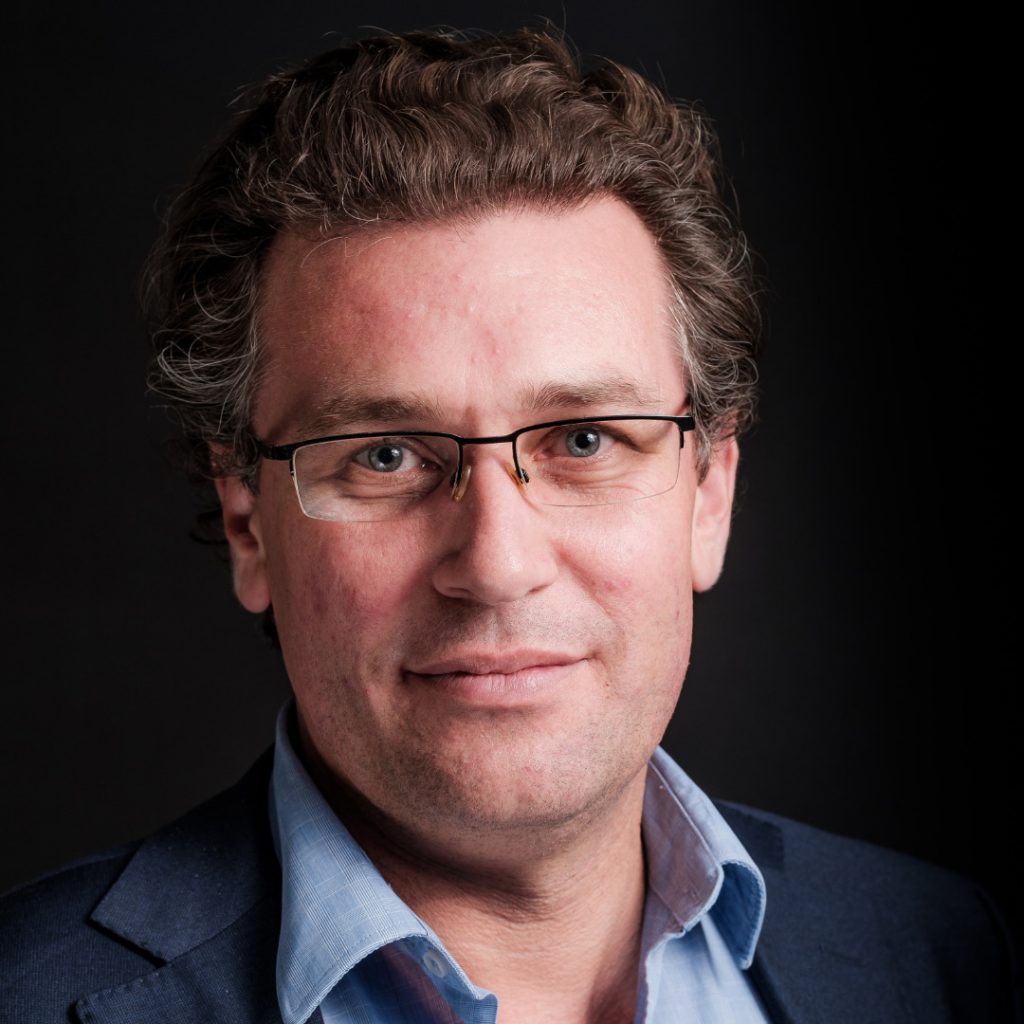
HVTT18 President
“I extend a warm invitation for you to participate in the 18th International Symposium for Heavy Vehicle Transport & Technology (HVTT18) – Trucking Toward S2MART Transport.
The theme of HVTT18 is intended to focus our minds on how we can work together to make road freight transport more Sustainable, Safe, Modern, Adaptable, Resilient and Trustworthy.
Significantly, HVTT18 will see us return to the birthplace of the HVTT Forum – where the inaugural International Symposium on Heavy Vehicle Weights and Dimensions was hosted in Canada in 1986.
After nearly four decades it’s worth reflecting on the extent to which the HVTT Forum – and its predecessor, the International Forum for Road Transport Technology (IFRTT) – has directly contributed to advancements to the body of knowledge in the areas of heavy vehicle transport and technology. Moreover, the topics that will be covered by HVTT18 illustrate how we continue to encourage new subject areas, disciplines and bodies of knowledge into the HVTT Forum.
A key strength of HVTT symposia is the quality of papers prepared by leading researchers and practitioners from across the globe, coupled with a spirit of friendship and community which comes from having a shared purpose. With your involvement, I’m confident HVTT18 will provide the basis from which new relationships can be established, and to build on existing ones.
Whether this is the first or eighteenth time you’ve been involved with a HVTT symposium, I encourage you to come forward with abstracts, so you can make your contribution towards S2MART Transport outcomes at HVTT18.
I look forward to seeing you in Québec, Canada, in May 2025!”
Full-Paper Author Instructions
Presenter Guidelines
- Please prepare your presentation using the PowerPoint template provided on the HVTT18 website. To avoid problems, please have a PDF version of your presentation available as a backup.
- Before your session, please arrive at the assigned room 15 minutes prior to the session start time with your presentation on a USB key. The presiding officer will be there to meet you and assist in loading your presentation onto the computer in the room.
- Each technical session is 1.5 hours, with three presentations scheduled.
- The presiding officer will call the session to order at the scheduled time and will briefly introduce each speaker in turn, using the information provided in the technical paper.
- Each presenter will have 20 minutes to deliver the presentation.
- After the three presentations are completed, the presiding officer will moderate a discussion period for about 20-30 minutes during which members of the audience will have the opportunity to ask questions. Please be prepared for a lively and informative discussion!
| Deadline | Step |
|---|---|
| May 3, 2024 | Abstract submission deadline |
| June 2024 | Authors notified of abstract review decision |
| November 22, 2024 | Full-paper submission deadline |
| January 2025 | Authors notified of full-paper review decision |
| March 16, 2025 | End of pre-registrations |
| March 2025 | Submission of final revised papers |
| May 1, 2025 | End of registrations |
| May 25 to 29, 2025 | Symposium |
Topics
Resilient road freight transport systems, including in cold regions and remote areas
Climate change mitigation and adaptation for heavy vehicle systems and infrastructure
Policies, pilot projects, and prototypes toward sustainable road freight transport: managing energy transitions and decarbonization
Heavy vehicle weights and dimensions policies, regulatory harmonization, permitting, and compliance
Innovations in heavy vehicle systems, instrumentation, and materials
Smart integration of heavy vehicles and resilient transport infrastructure
Advances in heavy vehicle safety
Integration of long haul and local deliveries, urban freight network planning, and logistics
Economics of heavy vehicle transportation systems
Reliable supply chains during disruptive events
Improving road freight transport practices through training, education, and good governance
Who Should Attend
Agencies responsible for the design, construction and maintenance of road infrastructure, especially pavements and bridges
Policy makers and program managers in the field of heavy vehicle transport, freight and asset management, and transport reform
Heavy vehicle data-service and part providers and agencies using these technologies to support policies on freight mobility, safety, and the economy
Persons involved in greening road freight transport and carbon reduction practices
Government agencies responsible for truck size and weight enforcement and the operation and control of heavy vehicles
Persons involved in heavy vehicle design and performance, the design of road infrastructure, and freight transport logistics
Manufacturers, vendors, and users of heavy vehicles and associated schemes, such as performance-based standards
All relevant stakeholders, including practitioners, researchers, and students
Committees
Organizing Committee
Program Committee

Scientific Committee









General Information for the Symposium
Registration and Information Desk
Symposium registration opens at 7:00 on Sunday May 25th, 2025. The symposium registration desk will be located at Université Laval, in the atrium of the Faculty of Business Administration (FSA ULaval) in the Pavillon Palasis-Prince. The information/registration desk will be staffed throughout the symposium for queries and late registrations.
Symposium Hotline
For any questions or problems, please call our symposium hotline at 1-418-656-2131 ext. 406655 or dial 406655 from any phone in the building.
Internet Access
A free WI-FI network is available on the campus. Log on to UL_Visiteur_Guest2. No password required.
Certificates of Attendance
Please go to the registration desk if you require a certificate of attendance.
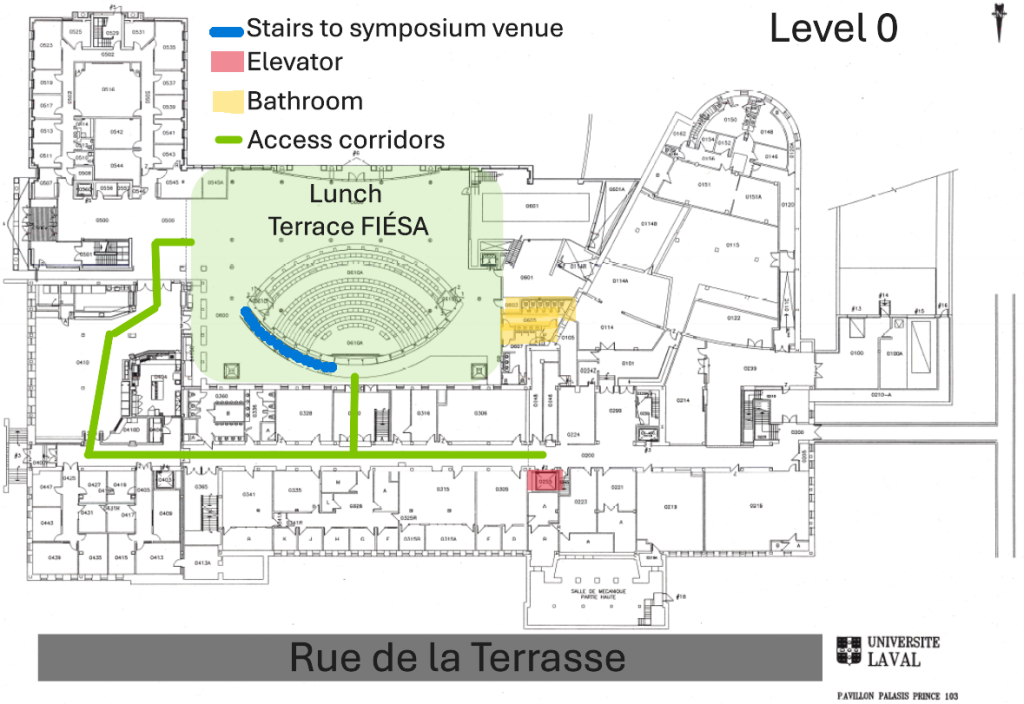
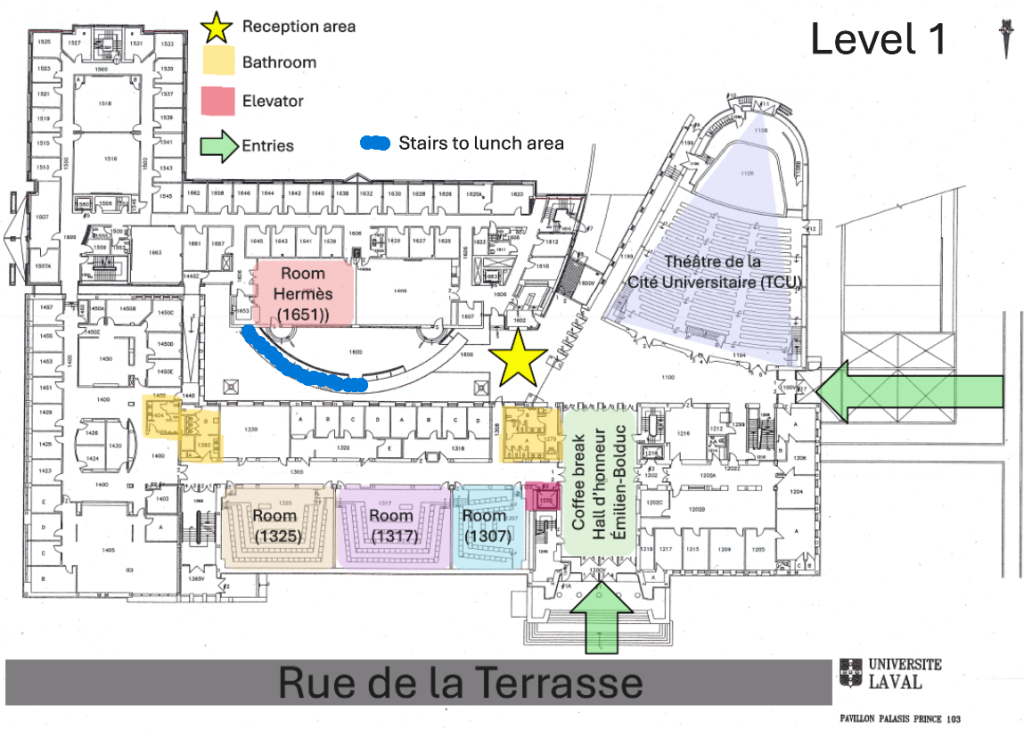
Room plans
Location
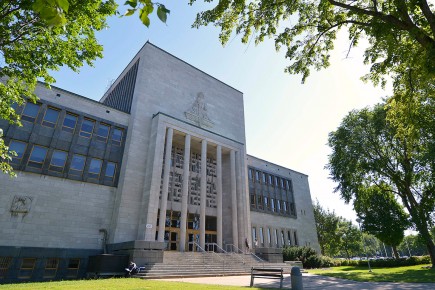
Other than the evening social events, all symposium activities will be held on campus, at Université Laval, at the Faculty of Business Administration (FSA ULaval), in the Pavillon Palasis-Prince.
2325, rue de la Terrasse
Québec City (Québec) G1V 0A6
The Université Laval is located about 6 km from downtown Québec City and is easily accessible by public transit. Because of the distance, we do not recommend walking to the Université Laval, unless you are staying at a hotel in the vicinity of the Université Laval in Sainte-Foy.
Transportation
Université Laval (Google Maps) is located in the city of Québec, approximately 250 km from Montréal. You can get there from the South Shore via Highway 20 (Jean-Lesage) or the North Shore via Highway 40 (Félix-Leclerc).

Arriving by plane
Your final destination is the Québec City Jean Lesage International Airport – YQB. It is located approximately 12 km from Université Laval and approximately 18 km from Old Québec.

Arriving by motor coach
There are 2 motor coach stations in Québec:
- Gare d’autocars de Sainte-Foy (4.7 km from Université Laval)
- Gare du Palais (8 km from Université Laval)
If you are travelling by motor coach from the United States, you will arrive in Montréal. From there, you must take an Orléans Express motor coach to get to Québec City. Travel time: 3 hours and 15 minutes.
Arriving by train
There are 2 train stations in Québec:
- Gare de Sainte-Foy (5.2 km from Université Laval)
- Gare du Palais (8 km from Université Laval)
If you are travelling with Amtrak from the United States, you will arrive in Montréal. From there, you must take a Via Rail Canada train to get to Québec City. Travel time: 3.5 hours.
To get around in Québec City
At the airport, taxi services are within easy reach to access downtown. Fixed rates: CAN$41.40. Cash or credit cards are accepted.
If you wish to share a taxi with other delegates on your way back to the airport, sharing request forms will be available at the information desk during the symposium.
If you need a taxi, you can call any of the following numbers:
Taxi Coop Québec: 418-525-5191
Taxi Coop Sainte-Foy–Sillery: 418-653-7777
Taxi Laurier: 418-651-2727
Or visit the Jean Lesage International Airport website.
Other options to get around town include Uber or public transit buses (RTC – Réseau de transport de la Capitale)
Entry Requirements in Canada
Be prepared:
To start out, find out if you need an eTA or a visa.
If you need an eTA (EU citizens, for example)
Apply for an eTA before you book your flight to Canada. Most applicants get approved within minutes. However, some applications can take several days to process, so don’t wait until the last minute.
If you need a visitor visa
Please note that a visa application may take several weeks or months to process.
We recommend that you file your visa application as soon as possible, online, through Immigration, Refugees and Citizenship Canada’s website. You will be required to enclose an invitation letter from the organizers of the HVTT18 Symposium with your application. To obtain this letter, you must without delay:
- register to the Symposium and pay all Symposium participation fees
- send an email request to evenements@fsa.ulaval.ca
Weather in Québec
There are 4 very distinct seasons in Québec City. The weather can sometimes be unpredictable. It is best to plan ahead when packing your clothing. Find out about the average high and low temperatures for each month.
Check the local weather before packing your bags.
Québec City, the jewel of French-speaking North America
Designated a World Heritage Site by UNESCO, the city of Québec ranks among the most sought-after destinations in the world for its safety and quality of life. As the cradle of French-speaking North America, Québec City is brimming with First Nations, French and British influences. In summer as in winter, you’ll find a vibrant city featuring its own unique cultural dynamism and natural amenities. Refer to the following websites for an authentic and unforgettable experience!
City districts
Québec City’s different districts reflect the lifestyles of their residents. They’ll be happy to share some local secrets with you! Here are a few neighborhoods to discover:

Go even further!
Québec City, on its own, is certainly worth a stay of three or four nights. However, the Province of Québec features many interesting places to visit. If you wish to explore the Province beyond Québec City and Montréal, be prepared to discover breathtaking landscapes, fascinating villages and friendly people. You will have to rent a car, however. Here are a number of possible destinations outside of Québec City.

Charlevoix and the south shore
Charlevoix (north shore of the St-Lawrence river) is really worth seeing. It is about a 2-hour drive (route 138) from Québec City. It is certainly worth stopping at Baie-St-Paul and sleeping for one or two nights at La Malbaie (suggestion: the Manoir Richelieu).

Gaspé Peninsula
One of the nicest tourist itineraries is the “tour de la Gaspésie” (Gaspé Peninsula). Take Highway 20 then route 132, and enjoy various stays in Rimouski, Ste-Anne-des-Monts, Gaspé, Percé, Carleton, Rivière-du-Loup and even more towns on the way.

Thousand-Islands
The Thousand-Islands area in Eastern Ontario is a world-renowned tourist destination. To get there, you first need to go to Montréal (this is a very lively city; you may want to spend a few days there) and then continue for about 2.5 hours on Highway 401 towards Toronto.
FSA ULaval
Since 1924, FSA ULaval has been training students to become competent and responsible managers and business specialists. Today, FSA ULaval is part of a select group of 150 Business Schools, out of more than 16,000 worldwide, to have obtained both the AACSB and EQUIS accreditations. With its two international accreditations, FSA ULaval ranks among the top 1% of the best business schools on the planet. These accreditations recognize the Faculty’s excellence in all its facets: academics, research, pedagogical innovation, international activities, student resources and services, and partnerships with the community.
FSA ULaval is:
- More than 10,081 students, including more than 1008 international students
- 170 professors and full-time lecturers ready to engage with students and whose research expertise is internationally renowned
- A dynamic network of more than 51,000 alumni in Canada and abroad
- Close connections with large international corporations and local SMEs
- State-of-the-art technological infrastructure
- Many collaborations with other University faculties
- A Canadian leader in hybrid and online-based education
- Partnerships with more than 101 world-renowned universities and management schools
- 26 world-class research chairs, centres and laboratories
- Outstanding student-athletes with our competitive Rouge et Or sports teams
- A vibrant student life with more than 27 student organizations
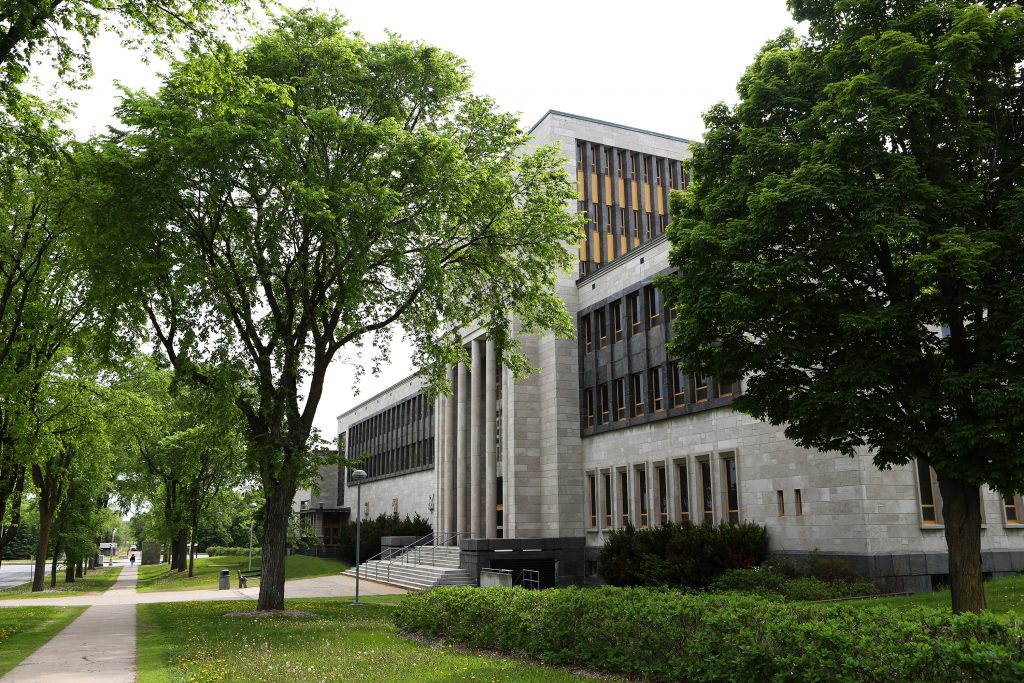
Our University, Université Laval
- Founded in 1663, Université Laval is the oldest French-speaking university in North America and is the 6th most important in Canada
- Over 47,000 students
- 29% in master’s and PhD programs
- Some $500 million in funding for research and innovation and over 300 research centres, chairs, institutes, and other groups, including:
- 1,665 professors, 2,410 lecturers, and other teaching and research staff, and 3,165 administrative and support staff
- 1.8 km2 of campus, 64% of it covered in green space and trees
- 40 buildings connected by footpaths, 8 km of bike path, and more than 5 km of underground tunnels
- Université Laval is the first voluntarily carbon-neutral in the country. Times Higher Education ranks it 9th worldwide and 4th in Canada for its efforts to fight climate change according to United Nations objectives.
- Université Laval is one of the world’s top 20 French-language universities according to leading university rankings.

Julien Lépine

General Chair
Julien Lépine is an Associate Professor at the Department of Operations and Decision Systems at Université Laval in Québec City and a member of the Interuniversity Research Centre on Enterprise Networks, Logistics and Transportation (CIRRELT). Formerly, he was a Research Associate at the Sustainable Road Freight Centre and Cambridge University Engineering Department, and a Postdoctoral Associate at St-Catharine’s College, Cambridge. He is primarily working on sustainable transport with research projects on heavy vehicle fuel consumption modelling, rolling resistance, tire wear, alternative fuel and cargo securement. Julien has also been a member and Secretary of the HVTT forum since 2022.
Jonathan Regehr
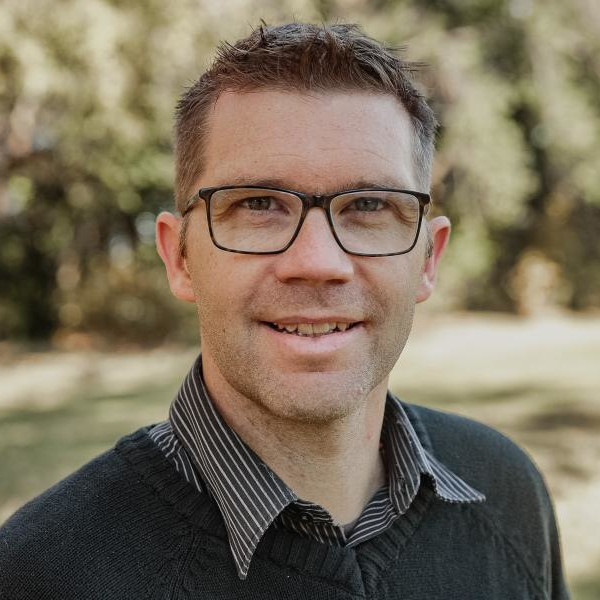
General Vice-Chair and Program Chair
Jonathan Regehr is an Associate Professor (Transportation) and Associate Head (Undergraduate) of Civil Engineering at the University of Manitoba and works as a private transportation consultant. His research and consulting experience involves transportation information systems and analysis, freight transportation, railway engineering, traffic engineering, and road safety. He is Co-Director of the Urban Mobility and Transportation Informatics Group (UMTIG) at the University of Manitoba. Working with federal, provincial, municipal, and private sector partners, Dr. Regehr’s research contributes to advancements in transportation engineering practice and policymaking in Canada and internationally. Dr. Regehr currently serves on the boards of the Heavy Vehicle Transport and Technology Forum and the International Society for Weigh-in-Motion. He is the former Chair of the Transportation Research Board Committee on Highway Traffic Monitoring and the Education Committee of the Transportation Association of Canada.
Jean-Pascal Bilodeau
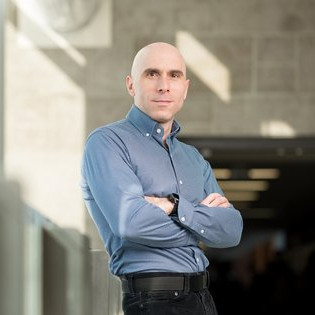
General Vice-Chair
Jean-Pascal Bilodeau is an Assistant Professor at the Department of Civil Engineering and Water Engineering at Université Laval in Québec City. He holds the Sentinel North Research Chair on Northern Infrastructures. He primarily works in the field of transportation infrastructure engineering in cold climates for a resilient and durable development of northern regions. He also develops research programs on the analysis, design and rehabilitation of materials and pavement structures.
André Bégin-Drolet
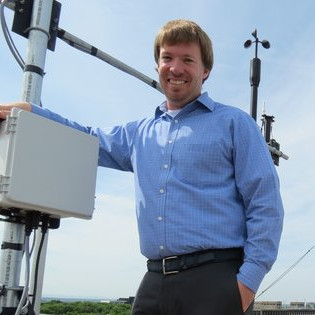
General Vice-Chair
André Bégin-Drolet is a Full Professor of Mechanical Engineering at Université Laval in Canada. His research revolves around mechanical design. He has developed instrumentation for heavy vehicles ranging from vibration measurements to in-situ rolling resistance measurements. He has published more than 35 peer-reviewed papers and has presented in numerous international conferences. In addition to having launched a spinoff company in 2020, he has filed more than 10 patents and licenced 4 innovations to industrial partners.
Franziska Schmidt

Since receiving her MSc and PhD in Civil Engineering, Franziska Schmidt has been working at Université Gustave Eiffel (former IFSTTAR, and before LCPC) since 2009, on various European and national research projects dealing with the impact of traffic loads and other (e.g. climate) actions on structures.
She is involved in several expertise studies on the assessment of existing, ageing structures. As a data scientist, she is currently attempting to integrate these innovative data treatment methods in the more traditional world of bridges and structures, using these new data possibilities provided by Structural Health Monitoring.
Loes Aarts

Loes Aarts is a Senior Advisor Freight Transport at Rijkswaterstaat, Ministry of Infrastructure and Water Management in The Netherlands. She is co-responsible for the translation of developments and innovations in freight transport (energy transition, aging infrastructure, digitalization, etc.) into the implementation practice of Rijkswaterstaat as executive organization for the management of the main road and inland waterway network. She also is Co-Chair of the CEDR Working Group Road Freight Transport and President of the HVTT Forum (2018-2023).
Daniel Ainalis

Dr. Daniel Ainalis is a Senior Technology Leader in the Life Cycle and Economic Assessment Portfolio within the Sustainability and Materials Performance team at the National Transport Research Organisation in Australia. He has extensive experience in the decarbonisation of road freight and has numerous publications on assessing the environmental and economic benefits of alternatively fuelled heavy goods vehicles and transport infrastructure. Previously, Daniel was the Research Manager of the Centre for Sustainable Road Freight at the University of Cambridge, and also spent time as a Research Associate in the Centre for Transport Studies at Imperial College London.
Alison Conway

Alison Conway is an Associate Professor of Civil Engineering at the City College of New York and the Deputy Director of the Center for Social and Economic Mobility for People and Communities through Transportation (SEMPACT), the US DOT Regional University Transportation Center for Region 2. She is the current Chair of the Transportation Research Board’s Freight Data Committee and the past Chair of the ASCE Transportation and Development Institute’s Freight and Logistics Committee.
Dan Haake
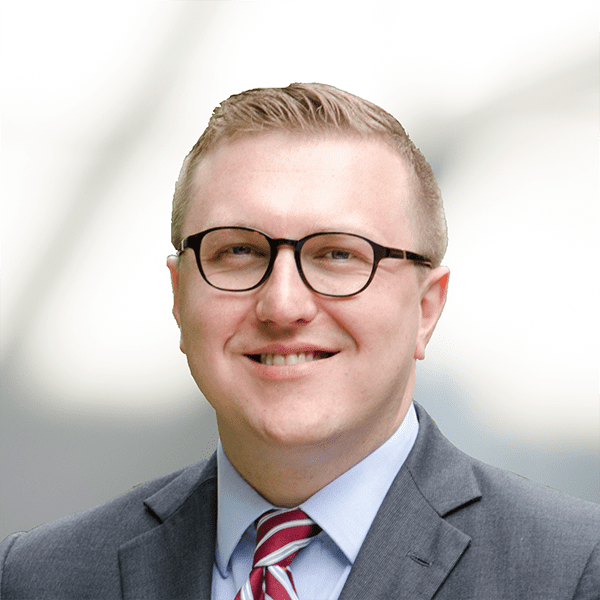
At Cambridge Systematics, Dan Haake is a national freight transportation expert who has helped clients in 30 states and four countries navigate infrastructure and policy challenges to improve their quality of life and competitiveness in today’s global marketplace. Active professionally, Dan is the Chair of the Transportation Research Board’s (TRB) Standing Committee on Trucking Industry Research and the past Chair of TRB’s Standing Committee on Truck Size and Weight. He has also led several freight-related efforts for the American Planning Association and the Institute of Transportation Engineers.
Pape Masseck Thiam

Pape Masseck Thiam has more than 12 years of experience in the field of transportation engineering. Graduate from Université Laval and École Polytechnique de Montréal, he works as a Senior Research Engineer and Project Lead for FPInnovations’ Transportation and Infrastructure Department. His research focuses on heavy vehicle weights and dimensions, truck seasonal weight regulations and the impact of heavy loads and climate on low volume roads and bridges. He is currently sitting on the Canadian Task Force on Vehicle Weights and Dimensions Policy and is a member of several committees at TRB, CGS and TAC. He also holds a PMP certification from the Project Management Institute (PMI) and has recently received the Young Transportation Professional Award from TAC. As a member of HVTT18 committee, he brings the perspective of Canadian forest, mining and oil & gas industries to the current and future of heavy vehicle transportation.
Accommodation
Hotels
Université Laval is located about 6 km from downtown Québec City and is easily accessible by public transit services (Métrobus 800 or 801).
Hotels near the Old City / Downtown
The area near the Old City offers many options in terms of accommodations. Here are a few possibilities:
- Hôtel Château Laurier Québec
- Fairmont Le Chateau Frontenac
- Hôtel le Concorde
- Hilton Québec
- Quebec City Marriott Downtown
Hotels near the conference site (Université Laval)
Other hotels are located closer to the conference site (Université Laval), usually at a lower cost, although the setting is less spectacular than the Old City. From the Université Laval, Métrobus 800 or 801 is an easy way to get to the Old City area, where the evening social events will take place. Here are a few options:
Map of Québec City, hotels and locations where conference events will be held:
Université Laval student residences (Walking distance)
Located on the université Laval campus, just 15 minutes from downtown Québec City, the Service des residences offers accommodations in a stimulating environment near many tourist attractions. To meet specific needs, a number of affordable, customized packages are available. Practical, economical, and safe, our short-term accommodation offers you an unforgettable experience full of life and culture. Our four residences are also just five kilometres from the Québec City Convention Center. Public transit buses (Métrobus 800 or 801) will get you there in only fifteen minutes!
Université Laval Student Residences
2255, rue de l’Université
Québec (Québec) G1V 0A7
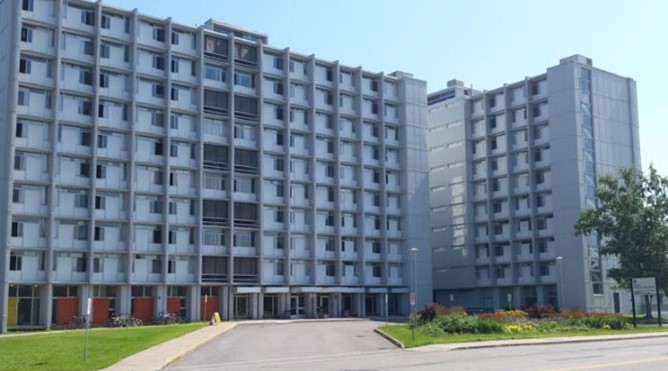
Standard university room (shared bathroom)
These rooms have two single beds and feature all the amenities usually provided in hotels, including bed linen, towels, shampoo, soap, parking , as well as free wireless Internet access and local calls.
- Standard university room (shared bathroom), single occupancy: $48.75+ taxes / night
- Standard university room (shared bathroom), double occupancy: $65 + taxes / night
Superior university room (private bathroom)
These rooms are equipped with a bathroom, queen size bed, double sofa bed, TV, microwave oven, refrigerator and telephone. They feature all the amenities usually provided in hotels, including bed linen, towels, shampoo , soap, parking , as well as free wireless Internet access and local calls.
- Superior university room (private bathroom): $115 + taxes / night
For more information or to make a reservation, please contact us by email at hebergement@sres.ulaval.ca or by phone at 418-656-5632, and use reservation number #347167.
We look forward to seeing you!
Program
Guest speaker
-
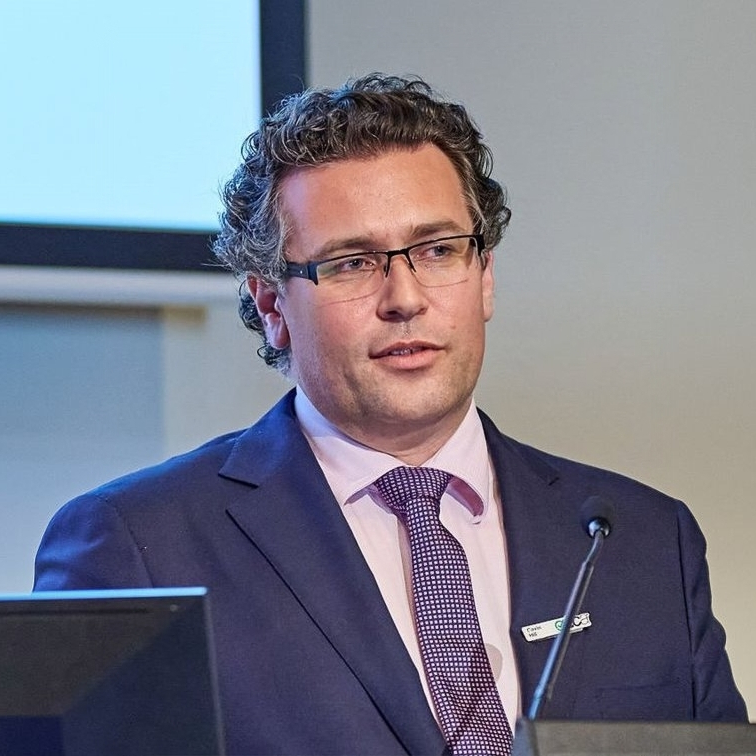
Gavin Hill
President, HVTT Forum
-
Julien Lépine
Chair, HVTT18 Symposium
-
Jean-Pascal Bilodeau
Université Laval
-

Amy Kim
University of British Columbia
-
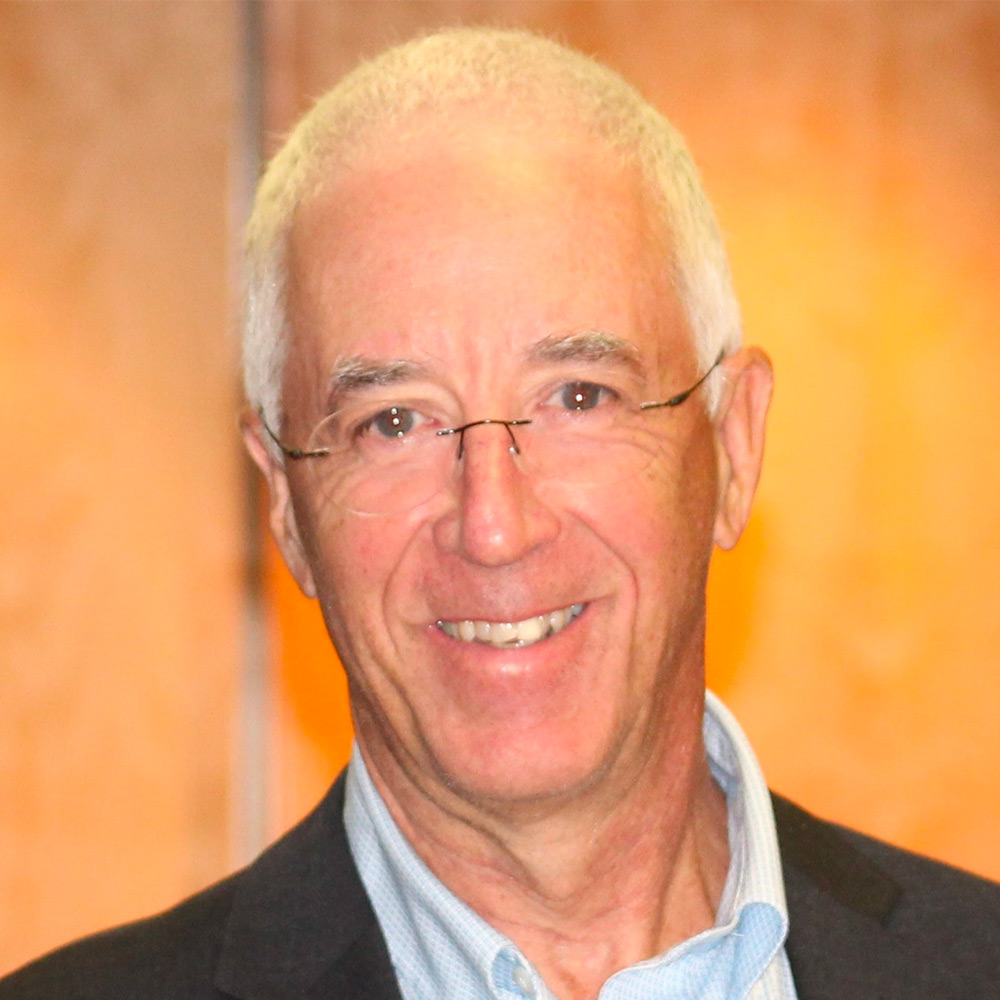
Guy Doré
Université Laval
-

Emil Tagho
Société de développement de la Baie-James
-

Catherine Lawson
University of Albany
-
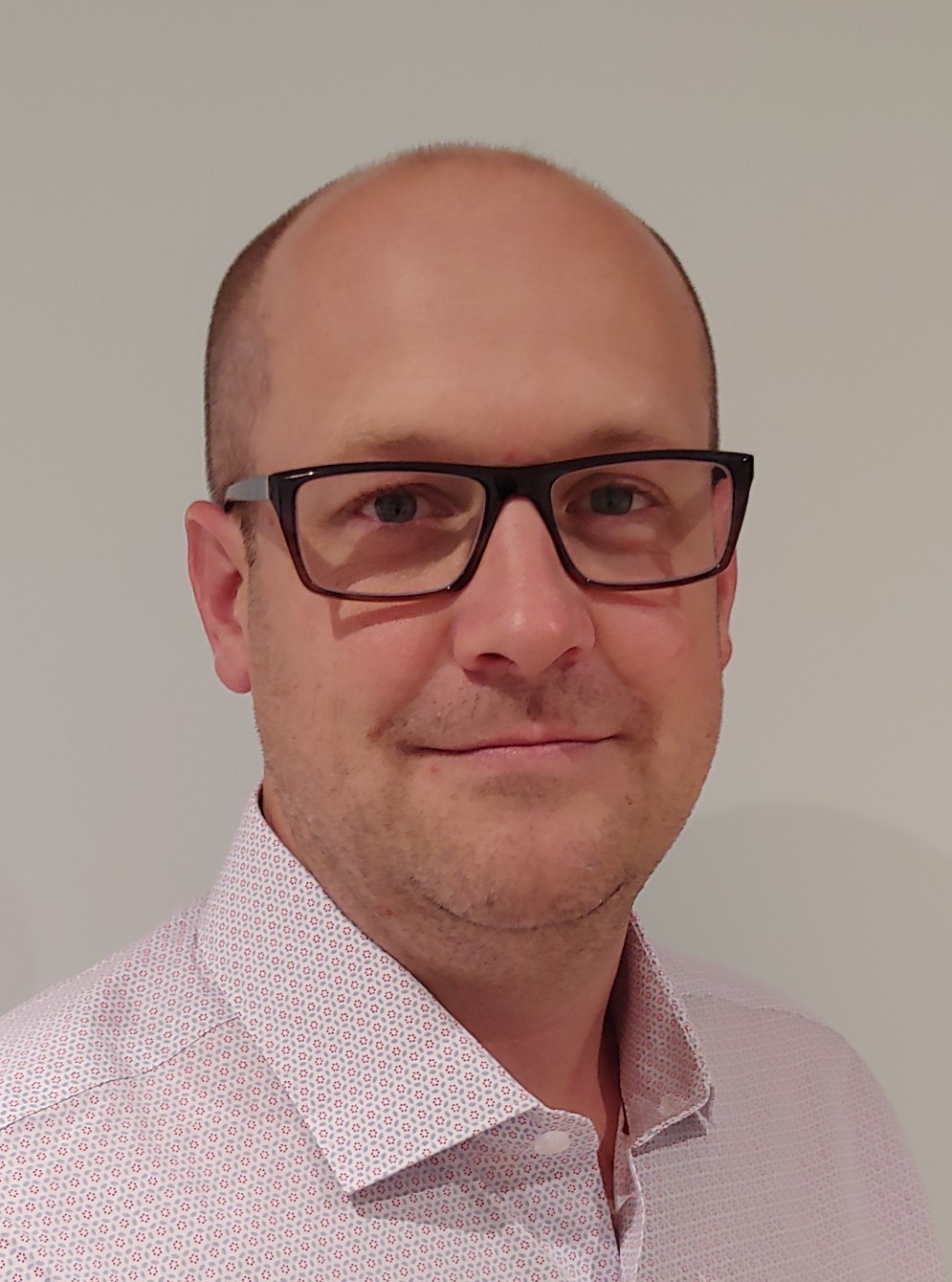
Mark Partington
FP Innovations
-
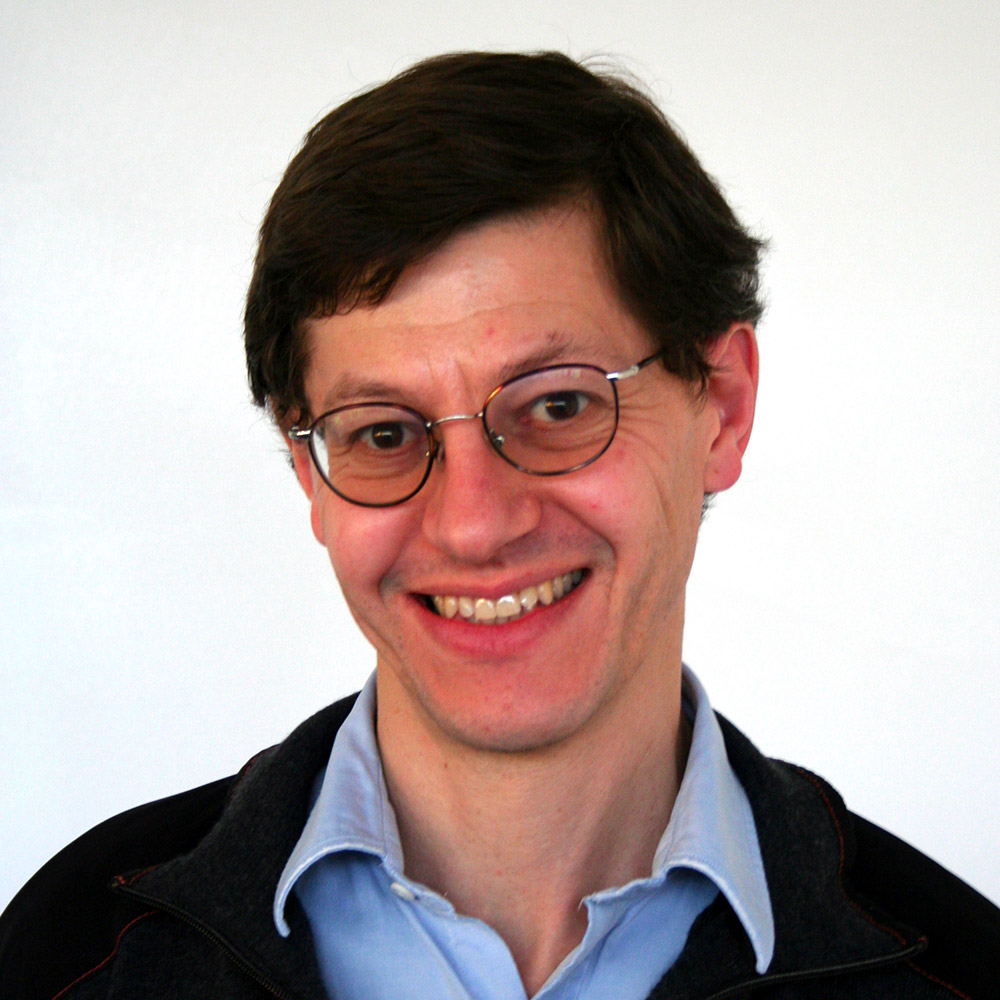
David Cebon
University of Cambridge
-
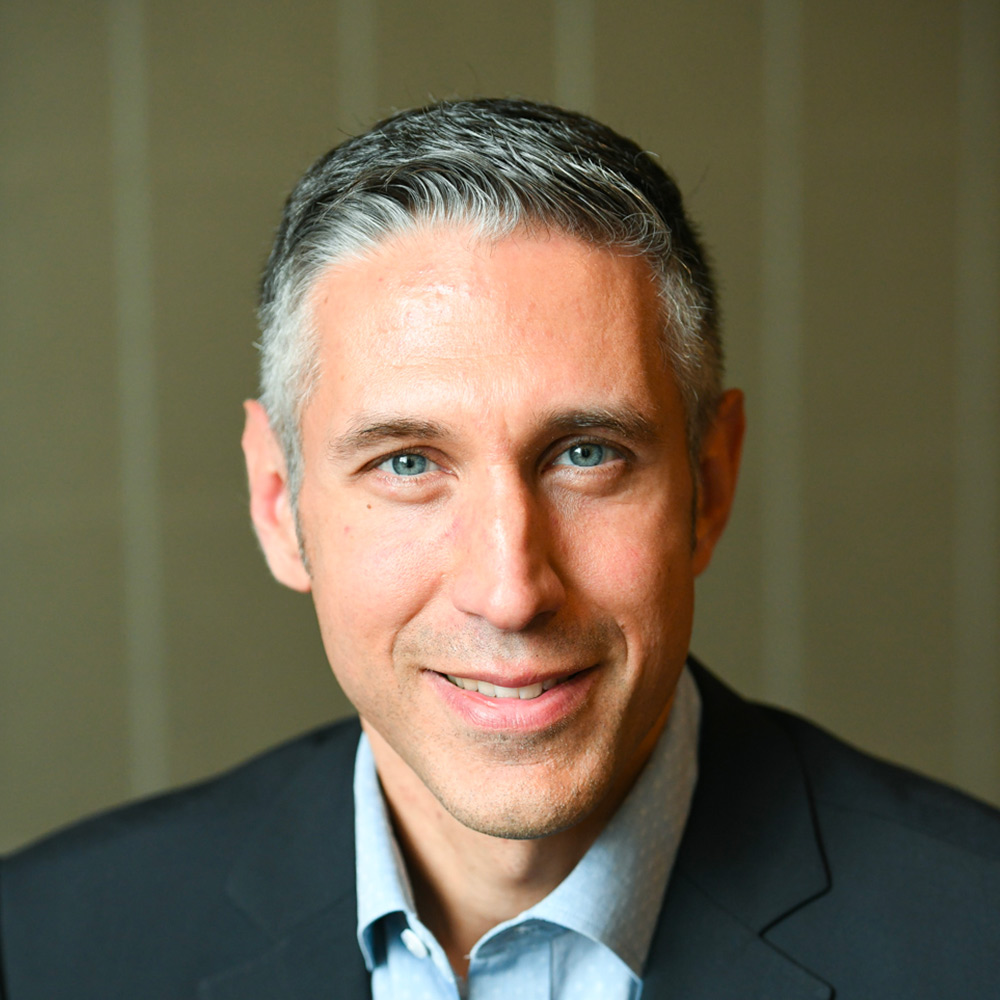
Eddy Zuppel
National Research Council of Canada
-
Jonathan Regehr
University of Manitoba
-
Daniel Ainalis
National Transport Research Organisation, Australia
-
Alison Conway
City College of New York
-

Bruno G. Pollet
Université du Québec à Trois-Rivières
-
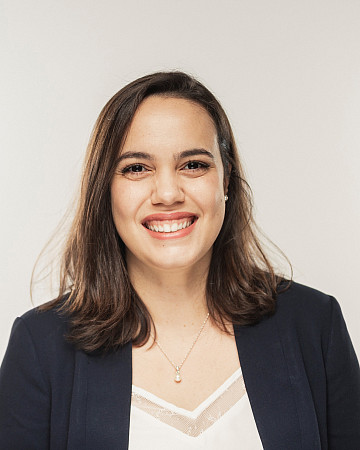
Bruna Rego de Vasconcelos
Université de Sherbrooke
-
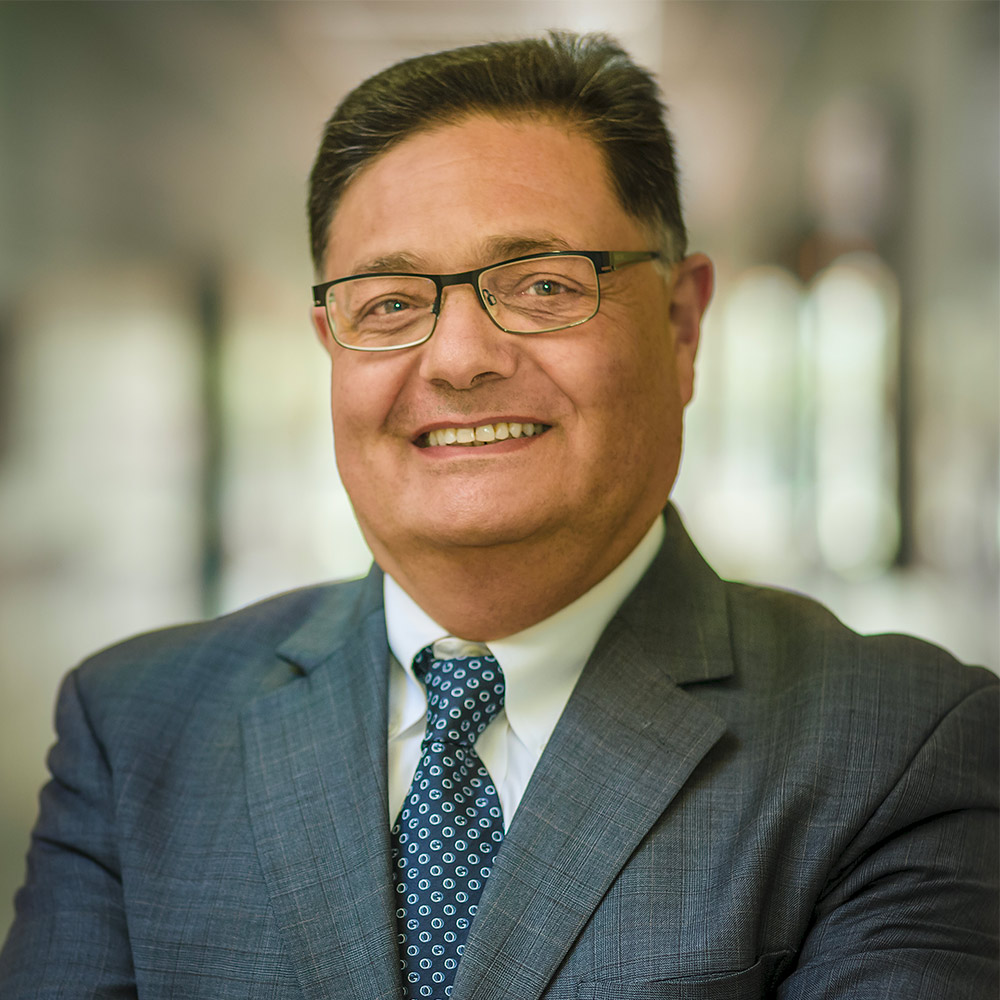
Imad Al-Qadi
University of Illinois - Urbana Champaign
-
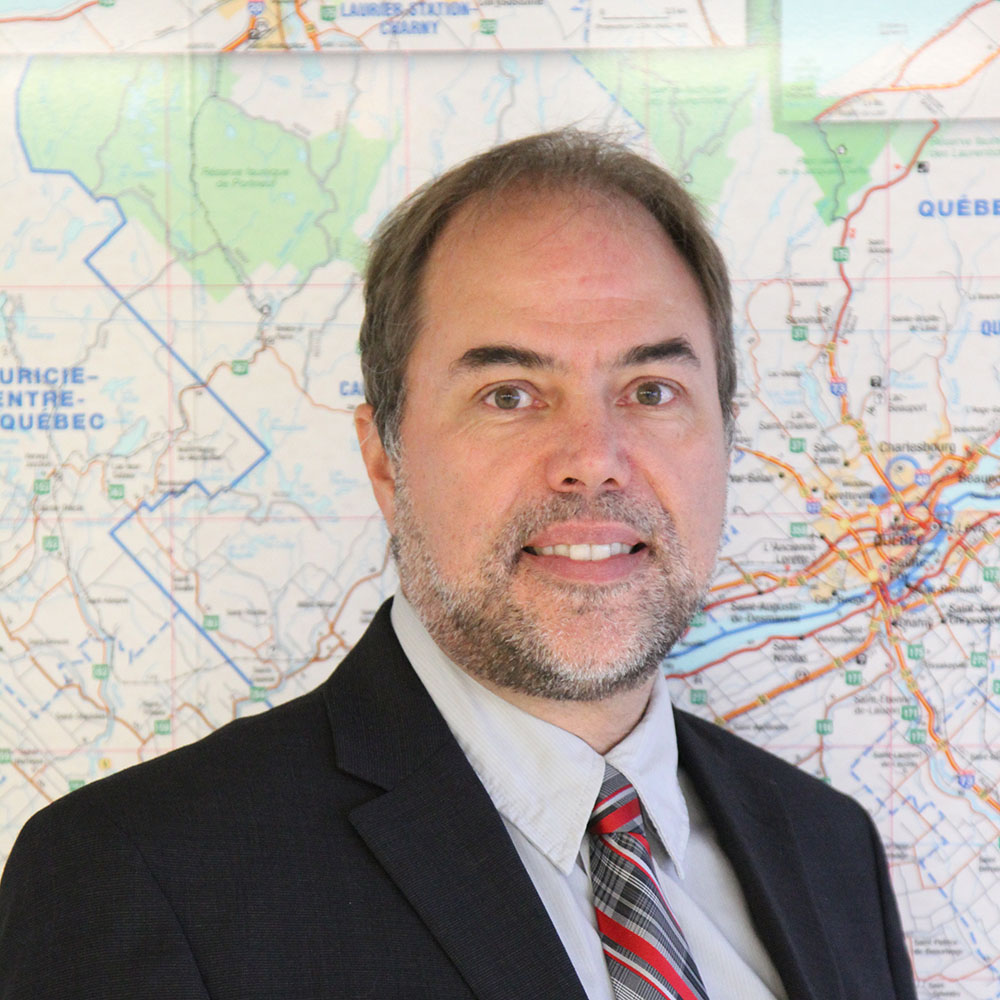
Frédéric Pellerin
Ministère des Transports et de la Mobilité durable du Québec (MTMD)
-
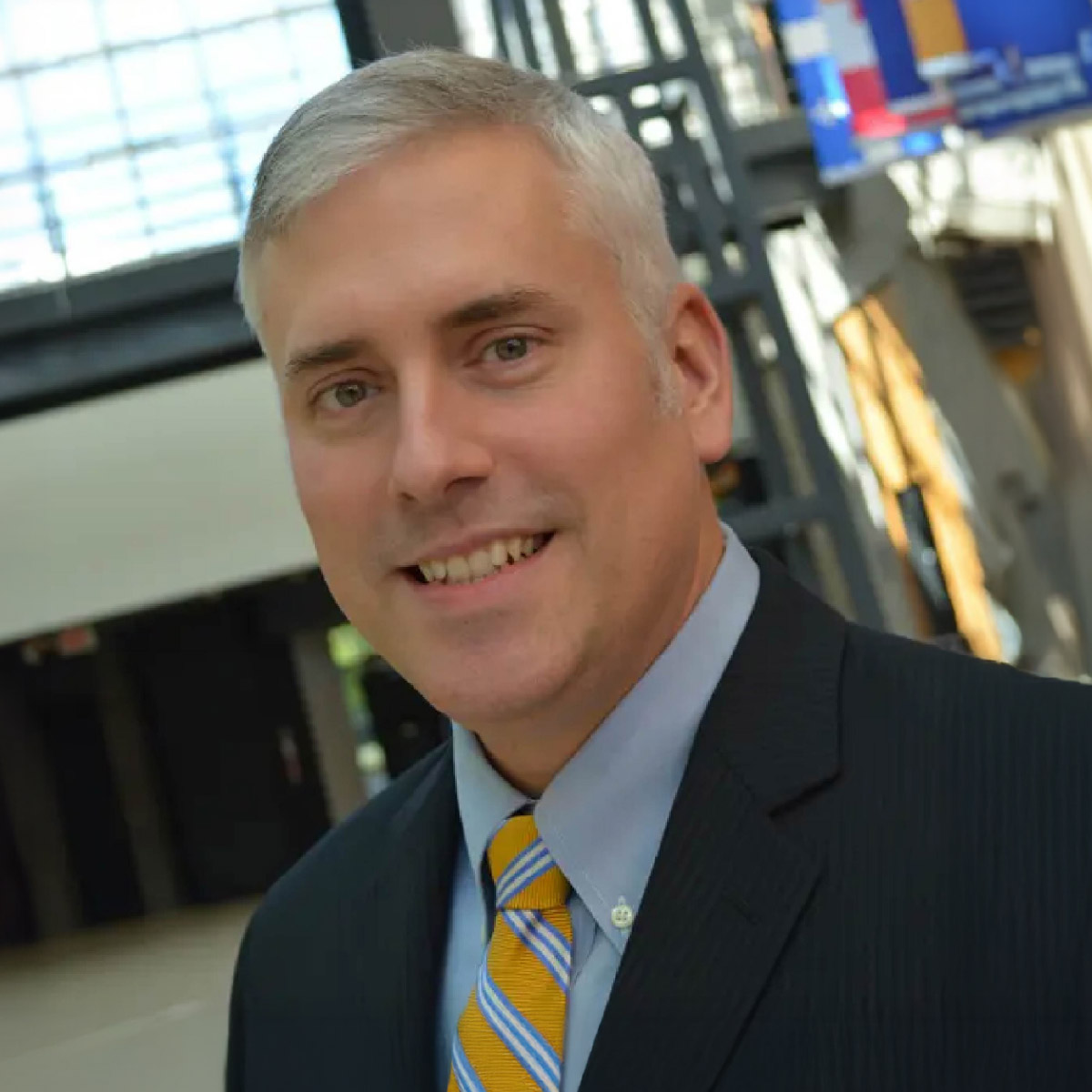
Yan Cimon
Département de management
Université Laval -
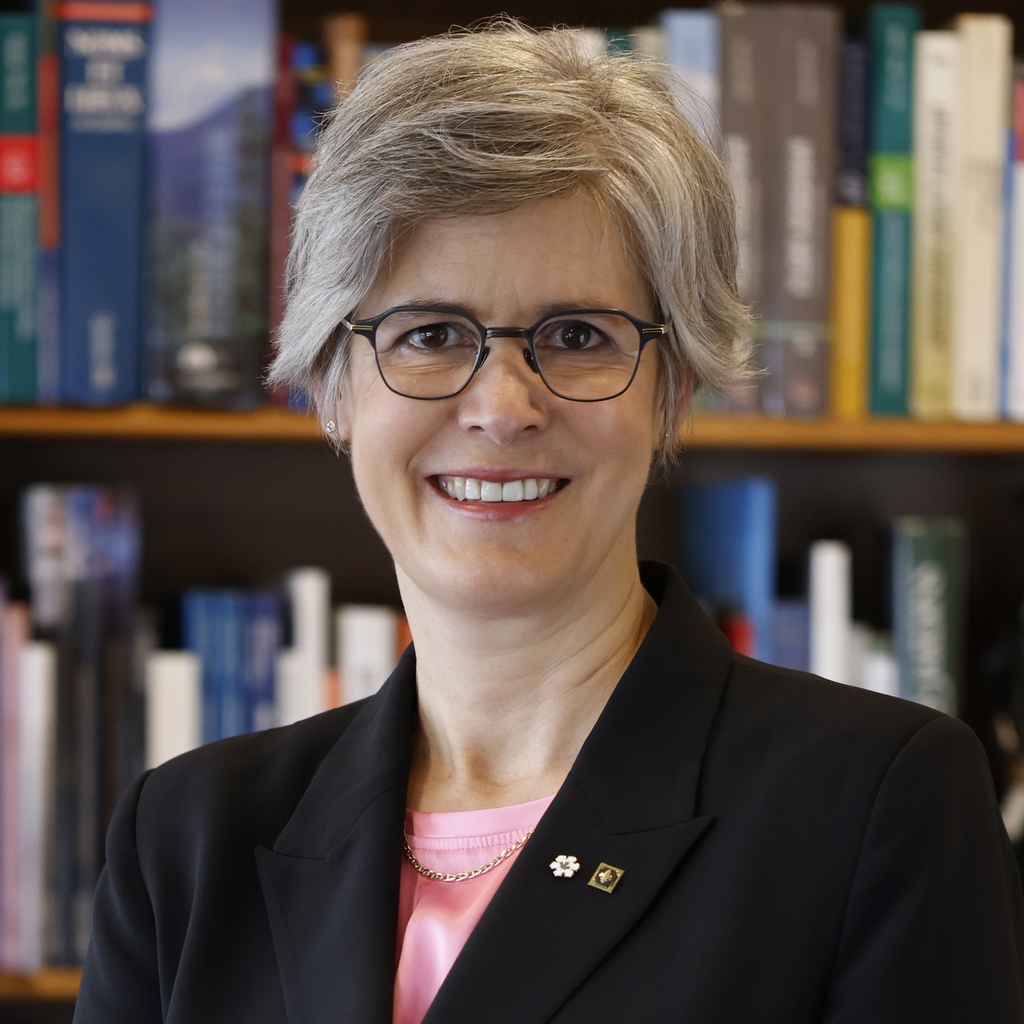
Sophie D'amours
Rectrice
Université Laval -

Frank Pons
Doyen
Faculté des sciences de l'administration